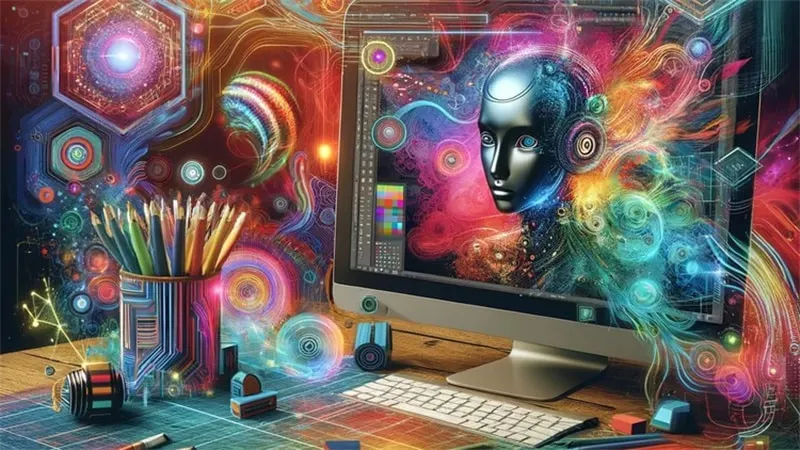
𝐀𝐈 𝐯𝐬. 𝐇𝐮𝐦𝐚𝐧 𝐂𝐫𝐞𝐚𝐭𝐢𝐯𝐢𝐭𝐲: 𝐂𝐚𝐧 𝐆𝐏𝐓-𝟓 𝐑𝐞𝐩𝐥𝐚𝐜𝐞 𝐆𝐫𝐚𝐩𝐡𝐢𝐜 𝐃𝐞𝐬𝐢𝐠𝐧𝐞𝐫𝐬?
May 14th, 2025
In 2025, artificial intelligence (AI) has become an integral part of the creative industry, with tools like GPT-5 pushing the boundaries of what’s possible in graphic design. These advancements prompt a critical question: 𝐂𝐚𝐧 𝐀𝐈 𝐭𝐫𝐮𝐥𝐲 𝐫𝐞𝐩𝐥𝐚𝐜𝐞 𝐡𝐮𝐦𝐚𝐧 𝐠𝐫𝐚𝐩𝐡𝐢𝐜 𝐝𝐞𝐬𝐢𝐠𝐧𝐞𝐫𝐬?
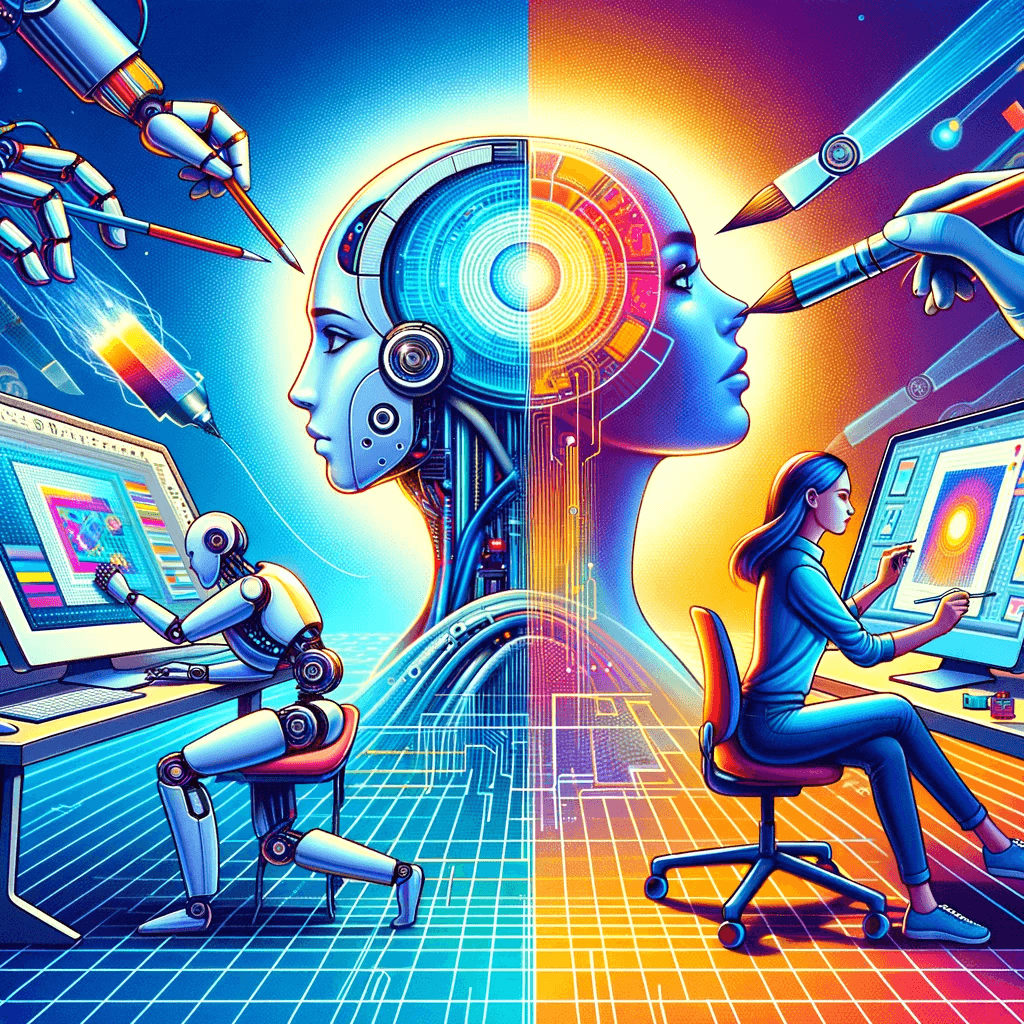
𝐓𝐡𝐞 𝐄𝐦𝐞𝐫𝐠𝐞𝐧𝐜𝐞 𝐨𝐟 𝐀𝐈 𝐢𝐧 𝐆𝐫𝐚𝐩𝐡𝐢𝐜 𝐃𝐞𝐬𝐢𝐠𝐧:
AI-powered design tools have revolutionized the way creatives approach their work. Platforms such as Canva, Figma, and Adobe Firefly now incorporate AI features that automate tasks like layout generation, color palette suggestions, and image editing. For instance, Figma’s recent updates include AI-driven functionalities that allow designers to generate interaction code and create vector illustrations seamlessly.
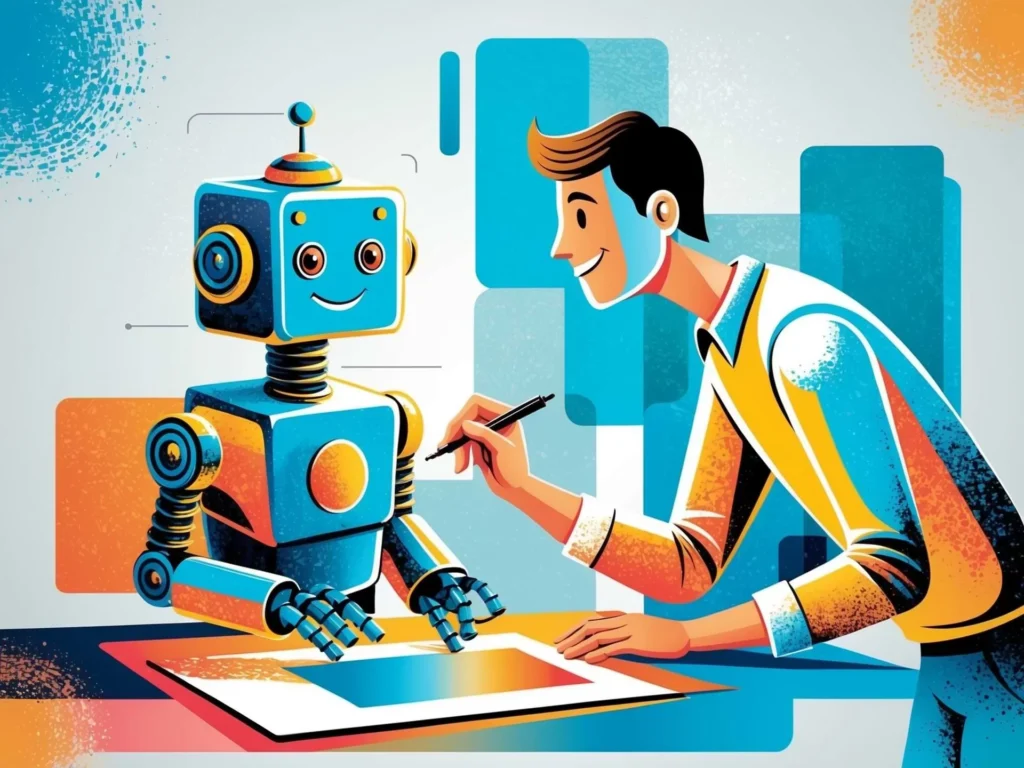
These tools enhance efficiency, enabling designers to focus more on conceptual development rather than repetitive tasks. However, while AI can assist in the design process, it lacks the innate human ability to infuse emotion and context into visual narratives.
𝐆𝐏𝐓-𝟓: 𝐄𝐱𝐩𝐚𝐧𝐝𝐢𝐧𝐠 𝐭𝐡𝐞 𝐇𝐨𝐫𝐢𝐳𝐨𝐧𝐬 𝐨𝐟 𝐀𝐈 𝐂𝐫𝐞𝐚𝐭𝐢𝐯𝐢𝐭𝐲:
GPT-5, the latest iteration from OpenAI, showcases significant advancements in natural language processing and multimodal capabilities. Its ability to interpret and generate text, images, and even code positions it as a versatile tool in the creative sector.

Designers are leveraging GPT-5 to brainstorm ideas, generate content descriptions, and even draft initial design concepts. Despite these capabilities, GPT-5 operates based on patterns and data, lacking the subjective experiences and cultural insights that human designers bring to their work.
𝐓𝐡𝐞 𝐇𝐮𝐦𝐚𝐧 𝐄𝐥𝐞𝐦𝐞𝐧𝐭 𝐢𝐧 𝐃𝐞𝐬𝐢𝐠𝐧:
While AI tools offer speed and efficiency, the essence of impactful design lies in human creativity. Designers possess the ability to understand nuanced cultural contexts, evoke emotions, and tell compelling stories through visuals. These aspects are challenging for AI to replicate authentically.
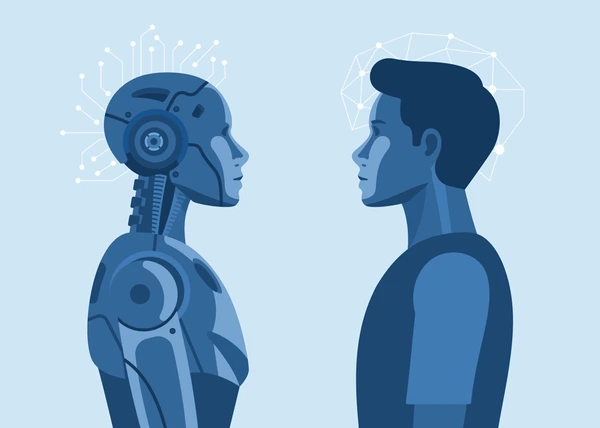
Moreover, the design process often involves collaboration, feedback, and iterative refinement—areas where human intuition and interpersonal skills are paramount. AI can assist but not replace the dynamic interactions that drive innovative design solutions.
𝐓𝐡𝐞 𝐅𝐮𝐭𝐮𝐫𝐞: 𝐂𝐨𝐥𝐥𝐚𝐛𝐨𝐫𝐚𝐭𝐢𝐨𝐧 𝐁𝐞𝐭𝐰𝐞𝐞𝐧 𝐀𝐈 𝐚𝐧𝐝 𝐃𝐞𝐬𝐢𝐠𝐧𝐞𝐫𝐬:
The trajectory of AI in graphic design suggests a future of collaboration rather than replacement. Designers who embrace AI tools can enhance their workflow, allowing more time for creative exploration and strategic thinking. As noted by industry experts, the integration of AI into design education and practice is essential for staying competitive in the evolving landscape .
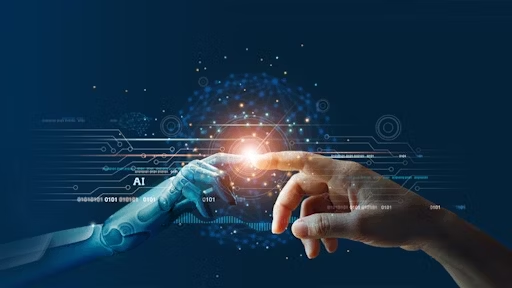
In conclusion, while GPT-5 and similar AI tools are transforming the graphic design industry, they serve as enhancements to human creativity, not substitutes. The unique human touch remains irreplaceable in crafting designs that resonate on a deeper, more personal level.
Future-Proof Your Business with Incognitai
Stay ahead in the digital-first world with next-gen IT solutions and smart digital marketing strategies from Incognitai.
Empower your brand with technology that drives growth, efficiency, and future-ready innovation.
📧 Email: admin@incognitai.com
📞 Call: +91 99522 89956
Let’s engineer your IT future, today.