
10 Must-Have Tools for Cross-Platform Mobile App Development in 2025
Jun 21st, 2025
In 2025, cross-platform mobile development continues to evolve, empowering developers to build high-performance apps for iOS, Android, web, and desktop—all from a single codebase. Whether you’re a startup in Coimbatore or a global enterprise, choosing the right tools is crucial for success. This guide explores the top 10 cross-platform development tools, analyzes the ongoing Flutter vs. React Native debate, and highlights emerging mobile SEO trends.

🚀 Top 10 Cross-Platform Mobile App Development Tools in 2025
1. Flutter (Google)

- Overview: Flutter remains a leading choice for developers seeking high-performance, visually rich applications.
- Key Features:
- Utilizes the Impeller rendering engine, replacing Skia, for smoother animations and reduced jank.
- Ahead-of-Time (AOT) compilation ensures faster startup times.
- Supports web and desktop platforms, enhancing its versatility.
- Ideal For: Projects requiring custom UIs and consistent performance across platforms.
2. React Native (Meta)
- Overview: Backed by Meta, React Native continues to be a robust framework for building native-like apps using JavaScript and TypeScript.
- Key Features:
- Introduces a new architecture with Fabric and TurboModules for improved performance.
- Hermes engine reduces memory usage and enhances startup times.
- Strong community support with a vast ecosystem of libraries and tools.
- Ideal For: Teams with JavaScript expertise aiming for rapid development cycles.
3. Ionic
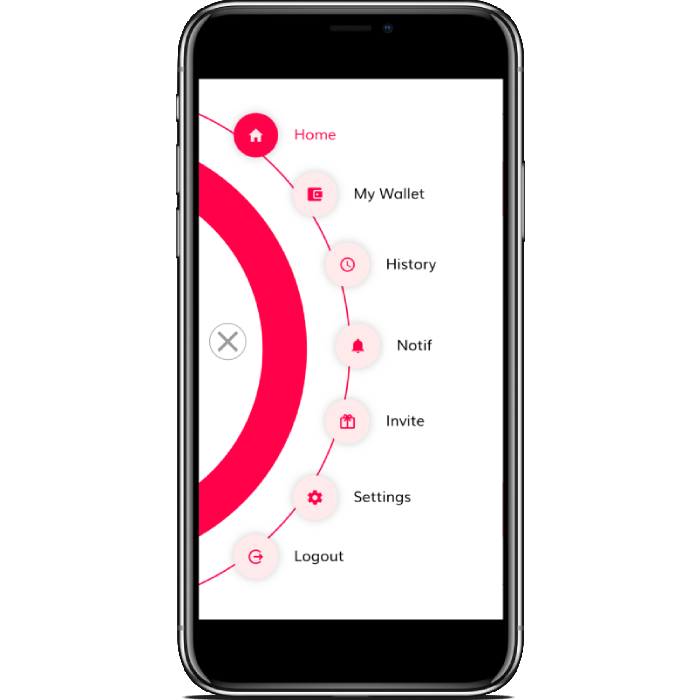
- Overview: Ionic is an open-source framework that enables developers to build hybrid mobile, web, and desktop applications using web technologies.
- Key Features:
- Provides a library of pre-designed UI components.
- Integrates with Angular, React, and Vue.js.
- Utilizes Capacitor for native functionality.
- Ideal For: Web developers looking to transition into mobile app development.
4. .NET MAUI (Microsoft)
- Overview: The evolution of Xamarin.Forms, .NET MAUI allows developers to create cross-platform apps using C# and .NET.
- Key Features:
- Supports Android, iOS, macOS, and Windows.
- Single project structure simplifies development.
- Deep integration with Visual Studio enhances productivity.
- Ideal For: Enterprises invested in the Microsoft ecosystem.
5. Apache Cordova
- Overview: Apache Cordova enables developers to build mobile applications using HTML5, CSS3, and JavaScript.
- Key Features:
- Access to native device APIs via plugins.
- Supports a wide range of platforms, including Android and iOS.
- Large community with extensive plugin availability.
- Ideal For: Projects prioritizing rapid development and broad device compatibility.
6. Tauri
- Overview: Tauri is a lightweight framework for building cross-platform desktop and mobile applications using web technologies and Rust.
- Key Features:
- Smaller bundle sizes compared to Electron.
- Enhanced security features.
- Supports Windows, macOS, Linux, Android, and iOS.
- Ideal For: Developers seeking efficient and secure applications with minimal overhead.
7. Xamarin
- Overview: Xamarin allows developers to build native apps for multiple platforms using C#.
- Key Features:
- Shared codebase across platforms.
- Access to native APIs.
- Integration with Visual Studio.
- Ideal For: Developers familiar with the .NET ecosystem aiming for native performance.
8. Jetpack Compose (Android)
- Overview: Jetpack Compose is Google’s modern toolkit for building native Android UIs using Kotlin.
- Key Features:
- Declarative UI approach simplifies UI development.
- Seamless integration with existing Android codebases.
- Enhanced tooling support in Android Studio.
- Ideal For: Android developers seeking a modern and efficient UI development experience.
9. Kotlin Multiplatform Mobile (KMM)
- Overview: KMM enables sharing code between Android and iOS platforms using Kotlin.
- Key Features:
- Write business logic once and deploy on both platforms.
- Access to platform-specific APIs when needed.
- Strong support from JetBrains and the Kotlin community.
- Ideal For: Teams aiming to maximize code reuse while maintaining native UI experiences.
10. Unity

- Overview: Primarily known for game development, Unity also supports building interactive mobile applications.
- Key Features:
- Robust 2D and 3D rendering capabilities.
- Cross-platform deployment.
- Extensive asset store and community support.
- Ideal For: Developers creating visually rich, interactive applications or games.
⚔️ Flutter vs. React Native: 2025 Showdown
The debate between Flutter and React Native continues in 2025, with both frameworks offering compelling features.
Performance
- Flutter: Utilizes AOT compilation and the Impeller engine, delivering near-native performance and smooth animations.
- React Native: The introduction of the Fabric architecture and Hermes engine has significantly improved performance, though it may still lag in graphics-intensive applications.
Development Experience
- Flutter: Offers a rich set of customizable widgets and a structured architecture, though it requires learning Dart.
- React Native: Leverages JavaScript/TypeScript, making it accessible for web developers, with a vast ecosystem of libraries.
Community and Ecosystem
- Flutter: Rapidly growing community with strong support from Google.
- React Native: Established community with extensive third-party libraries and tools.
📈 Mobile SEO Trends in 2025
Staying updated with mobile SEO trends is crucial for app visibility and user engagement.

Simplified URL Structures
Google has removed breadcrumbs from mobile search results, displaying only the domain name to enhance clarity on smaller screens.
App Indexing
Ensuring your app content is indexable by search engines can improve discoverability. Implementing deep linking and structured data is essential.
Performance Optimization
Fast-loading, responsive apps provide better user experiences and are favored in search rankings. Leveraging tools like Google’s Lighthouse can help assess and improve performance.
🧠 Conclusion

Choosing the right cross-platform development tool in 2025 depends on your project’s specific needs, team expertise, and long-term goals. Flutter and React Native continue to lead the landscape, each with unique strengths. Emerging tools like Tauri and Kotlin Multiplatform Mobile offer exciting alternatives for developers seeking efficiency and flexibility. Staying informed about mobile SEO trends ensures your app remains visible and competitive in an ever-evolving digital landscape
Future-Proof Your Business with Incognitai
Stay ahead in today’s digital-first world with next-gen IT solutions and smart digital marketing strategies from Incognitai.
Unlock your brand’s potential with technology that drives growth, streamlines efficiency, and powers innovation for the future.
📧 Email: admin@incognitai.com
📞 Call: +91 99522 89956
Let’s engineer your IT success, today.