
Debugging Distributed Systems: Why Modern Applications Break in Silence
May 26th, 2026
The Hardest Bugs Are the Ones You Can’t See

There was a time when debugging meant opening one server log, finding the error, fixing the code, and moving on.
Not anymore.
Modern applications are no longer built as single systems. They operate through dozens of interconnected services, APIs, databases, cloud functions, and containers working together behind the scenes. While this architecture makes applications faster and more scalable, it also creates a new challenge for developers and DevOps teams invisible failures.
In distributed systems, the actual problem rarely appears where the issue starts.
A customer may experience a slow application, but the real cause could be hidden inside a completely different service buried deep within the infrastructure. That’s what makes distributed debugging one of the most frustrating and time-consuming tasks in modern engineering.
When Everything Looks Fine… But Nothing Actually Works
One of the biggest problems with distributed systems is that failures travel quietly.
A request may move through multiple services like this:
Frontend → API Gateway → Authentication Service → Payment Service → Database
If one service suddenly slows down or fails silently, every other system around it may still appear healthy.
To the user, the app feels broken.
To the engineer, the logs look normal.
This disconnect is what turns simple debugging into hours of investigation.
Traditional debugging methods simply don’t work anymore because engineers are no longer tracking one system they’re tracking entire conversations happening across infrastructure.
Why Observability Has Become a Necessity?
Modern DevOps teams no longer rely only on logs.

Today, debugging depends heavily on observability the ability to understand what’s happening inside a system in real time.
Instead of manually searching for clues, teams now use tools that provide:
- End-to-end request tracing
- Centralized logging
- Real-time monitoring
- Automated alerts
- Performance insights
These tools help engineers move from guessing to knowing.
Distributed Tracing: Following the Full Story
One of the most effective solutions for debugging distributed systems is distributed tracing.
Tools like AWS X-Ray allow teams to visualize how a request moves across services. Instead of checking systems individually, engineers can see the entire request journey in one place.
This changes everything.
For example, an API response taking two seconds may initially feel impossible to diagnose. But tracing tools can instantly reveal:
- Which service handled the request
- Where delays occurred
- Which API call failed
- How much time each service consumed
What once required hours of manual investigation can now be identified within minutes. Distributed tracing gives engineering teams something extremely valuable:
clarity.
Centralized Logging: One Place for Every Error
Another major issue in distributed systems is scattered logs.

Without centralized logging, developers often waste time:
- Connecting to multiple servers
- Searching logs manually
- Comparing timestamps
- Trying to correlate unrelated events
This process becomes chaotic very quickly.
Centralized logging platforms like CloudWatch Logs solve this problem by bringing every log into a single searchable environment.
Instead of hunting across systems, engineers can instantly search:
- Error messages
- Timeout failures
- Service crashes
- Warning patterns
- Request IDs
This dramatically reduces debugging time while improving operational visibility.
Monitoring Before Customers Complain
The strongest engineering teams don’t wait for users to report problems.

They detect issues before users even notice them.
Monitoring systems and intelligent alerts now help organizations track:
- Latency spikes
- Error rates
- Memory usage
- CPU overload
- Failed requests
- Unusual traffic behavior
When something abnormal happens, alerts are automatically sent through Slack, email, or incident management platforms.
This proactive approach allows teams to react faster, reduce downtime, and maintain customer trust.
The Shift From Reactive to Intelligent Debugging
Modern debugging is no longer reactive.

Engineering teams are now building systems that can:
- Detect anomalies automatically
- Predict potential failures
- Correlate system behavior
- Identify root causes faster
- Reduce manual troubleshooting
The focus is shifting from “finding bugs” to building infrastructure that explains itself.
This is the real evolution happening in DevOps today.
Why Distributed Debugging Matters More Than Ever
As businesses continue adopting cloud-native architectures, microservices, Kubernetes, and serverless platforms, debugging complexity will only increase.

That means visibility is no longer optional.
Organizations that invest in observability and modern debugging practices gain:
- Faster incident response
- Better system reliability
- Improved customer experience
- Lower operational stress
- Stronger engineering efficiency
In complex systems, speed matters.
But understanding matters even more.
Final Thoughts
Distributed systems are incredibly powerful, but they also introduce a level of complexity traditional debugging cannot handle.
The future of engineering belongs to teams that can observe systems clearly, trace failures quickly, and solve issues before they become disasters.
Because in modern infrastructure, the most dangerous problems are rarely the loudest ones.
Incogitai Solutions
Engineering intelligent cloud, DevOps, and scalable technology solutions for modern businesses.
Future-Proof Your Business with Incognitai
Stay ahead in today’s digital-first world with next-gen IT solutions and smart digital marketing strategies from Incognitai.
Unlock your brand’s potential with technology that drives growth, streamlines efficiency, and powers innovation for the future.
📧 Email: admin@incognitai.com
📞 Call: +91 99522 89956
Let’s engineer your IT success, today.

Serverless Architecture in 2026: The Smartest Way to Build Scalable Applications
May 11th, 2026
Modern businesses no longer want to spend weeks configuring servers, managing infrastructure, or worrying about sudden traffic spikes. They want applications that are fast, scalable, cost-efficient, and easy to maintain. That’s exactly why Serverless Architecture has become one of the most powerful trends in cloud computing.
From startups to enterprise platforms, companies are increasingly moving toward serverless solutions to reduce operational complexity and improve deployment speed. Services like AWS Lambda, API Gateway, and DynamoDB are changing how applications are built and scaled in today’s digital ecosystem.
What is Serverless Architecture?
Despite the name, serverless does not mean servers don’t exist. It simply means developers no longer manage them manually. Cloud providers like Amazon Web Services (AWS) handle infrastructure tasks such as:
- Server provisioning
- Scaling
- Security patches
- Availability
- Load balancing

Developers can focus entirely on writing business logic while the cloud platform automatically manages the backend operations. This approach significantly reduces maintenance overhead while improving scalability and reliability.
Why Businesses Are Choosing Serverless
Traditional server-based applications often require continuous monitoring and fixed monthly hosting costs, even when traffic is low. Serverless changes this completely with a pay-per-use pricing model.

Key Advantages:
1. Cost Efficiency
With serverless computing, businesses only pay for the requests and execution time used. Small applications can run for just a few dollars per month.
2. Automatic Scaling
Whether your application receives 100 users or 1 million users, the infrastructure automatically scales without manual intervention.
3. Faster Development
Teams can deploy APIs and backend services within minutes instead of spending days configuring servers.
4. Improved Reliability
Cloud providers manage uptime, redundancy, and failover systems automatically.
Core Components of a Serverless Stack
A modern serverless application typically includes the following services:
API Gateway
Acts as the entry point for all client requests. It handles routing, rate limiting, authentication, and API management.
Example:
POST /users → Lambda Function → Database → Response
AWS Lambda
AWS Lambda is the compute engine that executes backend logic only when triggered.
It supports multiple programming languages including:
- Node.js
- Python
- Java
- Go
- Rust
Common Lambda triggers include:
- API requests
- File uploads
- Scheduled tasks
- Database updates
The biggest advantage is that there are no idle server costs.
DynamoDB
DynamoDB is AWS’s fully managed NoSQL database built specifically for serverless workloads.
Features:
- Flexible JSON schema
- High-speed performance
- Automatic backup
- On-demand scaling
- Pay-per-request pricing
Perfect for applications with unpredictable traffic patterns.
CloudWatch Monitoring
Monitoring remains critical even in serverless systems. AWS CloudWatch provides:
- Logs
- Performance metrics
- Error tracking
- Alerts and notifications
This helps development teams identify bottlenecks and maintain application health efficiently.
Real-World Cost Comparison
For approximately 100,000 monthly requests, a serverless setup may cost:
| Service | Estimated Cost |
|---|---|
| API Gateway | $0.035 |
| AWS Lambda | $0.20 |
| DynamoDB | $1.25 |
| Monitoring | $0.50 |
| Total | ~$1.50/month |
A traditional server setup could easily cost between $20–$50 per month minimum, even before scaling requirements.
As traffic grows, serverless systems scale linearly, making them highly economical for modern digital products.
Best Use Cases for Serverless Applications
Serverless architecture works exceptionally well for:
- SaaS platforms
- Mobile backends
- AI-powered applications
- Chat applications
- File processing systems
- Event-driven automation
- E-commerce APIs
- IoT applications
Businesses looking for agility and rapid product iteration benefit the most from serverless adoption.
Challenges to Consider

While serverless offers major advantages, there are some limitations developers should understand:
- Cold start latency in some functions
- Vendor lock-in risks
- Complex debugging across distributed services
- Execution time limitations for long-running tasks
However, modern cloud services continue improving these areas rapidly.
The Future of Cloud Development
Serverless architecture is no longer just a startup trend, it is becoming the foundation of modern cloud-native development. With reduced operational complexity, lower infrastructure costs, and near-infinite scalability, businesses can focus more on innovation and less on server management.

Companies adopting serverless today are positioning themselves for faster digital transformation and more efficient software delivery in the future.
At IncognitAI Solutions, we continuously explore scalable cloud technologies, AI-driven systems, and modern architecture patterns that help businesses build smarter digital products.
Future-Proof Your Business with Incognitai
Stay ahead in today’s digital-first world with next-gen IT solutions and smart digital marketing strategies from Incognitai.
Unlock your brand’s potential with technology that drives growth, streamlines efficiency, and powers innovation for the future.
📧 Email: admin@incognitai.com
📞 Call: +91 99522 89956
Let’s engineer your IT success, today.
Serverless Architecture in 2026: The Smartest Way to Build Scalable Applications Without Infrastructure Headaches
Apr 29th, 2026
Why Modern Businesses Are Moving Beyond Traditional Servers
In today’s software economy, speed is everything.
Businesses want applications that launch faster, scale instantly, stay available under unpredictable traffic, and most importantly — do all of this without burning infrastructure budgets. Traditional server-based deployment models are increasingly failing to meet these expectations because they demand constant provisioning, maintenance, patching, monitoring, and scaling decisions.
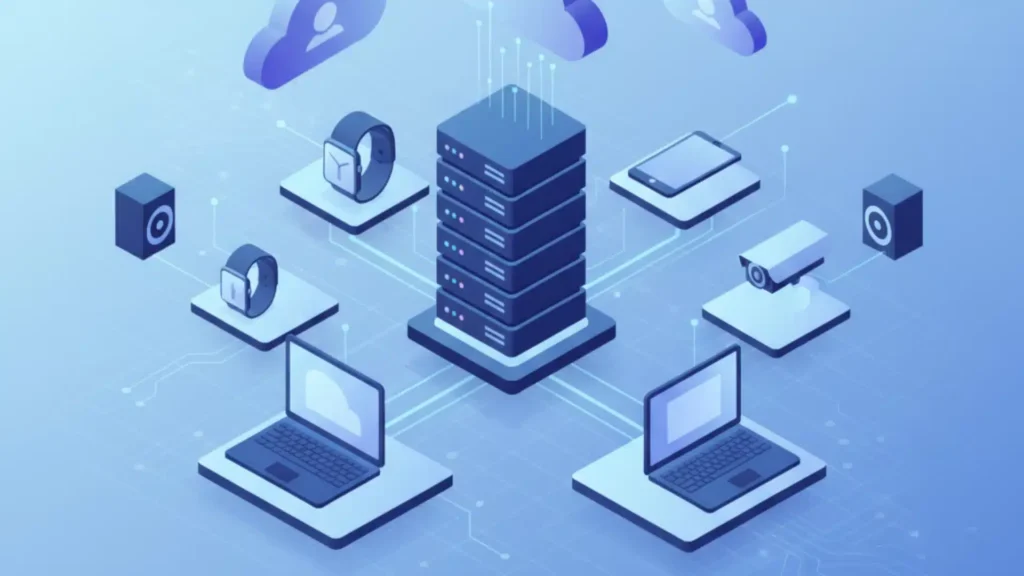
This is exactly why Serverless Architecture has become one of the most powerful cloud engineering shifts of 2026.
At Incognitai Solutions, we see serverless not merely as a hosting option, but as a smarter application-building philosophy where businesses focus entirely on product innovation while cloud providers handle the backend infrastructure complexity.
What Exactly Is Serverless Architecture?
Despite the name, servers do exist but your business no longer needs to manage them.
In a serverless model, cloud platforms automatically provision compute resources only when an application request occurs. Instead of paying for machines running 24/7, organizations pay only for actual execution.
That means:
- no server setup,
- no manual scaling,
- no operating system maintenance,
- no idle infrastructure cost,
- and significantly reduced DevOps overhead.
Your developers write the business logic.
The cloud handles availability, scaling, patching, runtime health, and request distribution.
This shift is one of the key reasons AWS and other hyperscalers continue investing heavily in serverless-native ecosystems, with enterprise adoption accelerating across API platforms, event processing systems, SaaS products, and AI-driven applications.
Why Enterprises Are Rapidly Choosing Serverless in 2026
The conversation around serverless has matured.
A few years ago, serverless was viewed as ideal only for lightweight APIs and simple backend functions. Today, it powers:
- customer-facing SaaS platforms,
- payment workflows,
- real-time notifications,
- image and document processing,
- intelligent automation systems,
- event-driven analytics,
- and even production-grade AI inference pipelines.
Large engineering teams are embracing serverless because it solves three critical business problems at once:
1. Faster Deployment
Applications can move from development to production in days instead of weeks because infrastructure provisioning disappears from the deployment timeline.
2. Automatic Scalability
Whether 100 users or 1 million users hit the system, the architecture expands automatically without manual intervention.
3. Massive Cost Optimization
Instead of paying for idle virtual machines, organizations pay per request, per execution, and per database usage.
Recent real-world migrations continue to report cloud cost reductions ranging from 70% to 80% when workloads are shifted intelligently from traditional always-on servers to serverless event-based functions.
The Core Blueprint of a Modern Serverless Application
A production-ready serverless architecture is not a single tool — it is a coordinated ecosystem of managed cloud services.
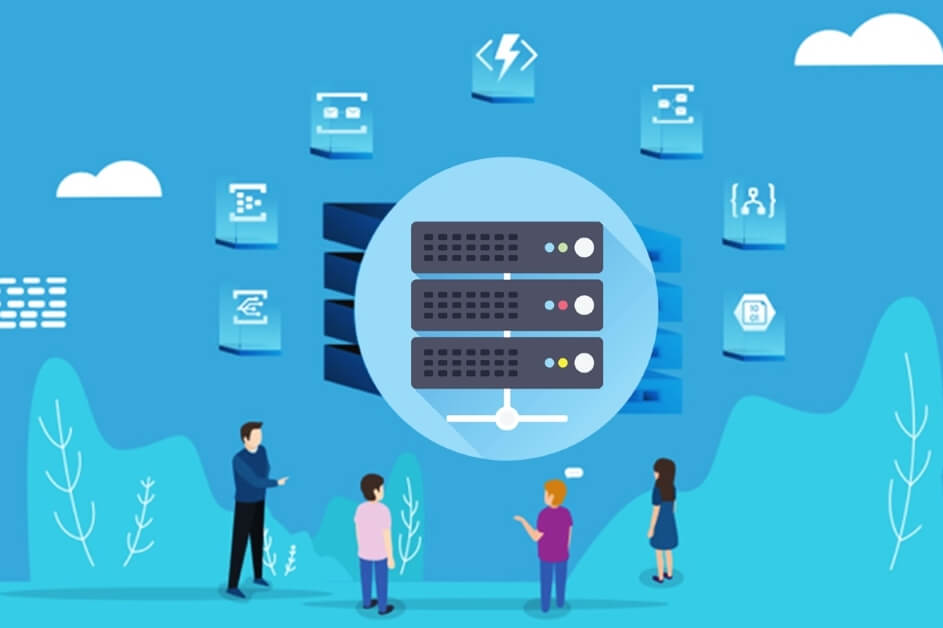
API Gateway – The Front Door
This service receives every client request, validates traffic, handles authentication, manages rate limiting, and routes the call securely to the backend logic.
Function Compute (AWS Lambda / Cloud Functions) – The Brain
This is where your actual business logic lives. Functions execute only when triggered and shut down immediately after completion.
Serverless Database – The Persistent Layer
Modern NoSQL engines such as DynamoDB allow applications to read and write data on demand without managing database servers.
Monitoring & Event Services – The Nervous System
Logs, alerts, queues, retries, and event orchestration ensure the platform remains observable, resilient, and self-healing.
Together, these components create an event-driven application model that is agile, modular, and operationally lean.
Why Serverless Fits Perfectly with AI and High-Traffic Digital Products
One of the biggest reasons serverless is dominating cloud architecture discussions this year is because AI products generate highly unpredictable traffic patterns.

Some minutes may have zero requests.
Some minutes may have thousands of inference calls.
Keeping traditional servers alive for this variability becomes financially inefficient.
Serverless compute solves this by activating only when demand exists — making it ideal for:
- AI chat systems,
- recommendation engines,
- automated image processing,
- webhook integrations,
- scheduled data pipelines,
- and burst traffic SaaS applications.
AWS itself has been pushing advanced serverless patterns specifically for generative AI workloads, proving that this architecture is now production-ready far beyond simple CRUD APIs.
But Serverless Is Not Just About “Cheap Cloud”
This is where many companies misunderstand the concept.

Serverless is not valuable only because it reduces cost.
Its bigger advantage is architectural freedom.
Teams no longer waste engineering hours on:
- instance patching,
- CPU scaling rules,
- load balancer tuning,
- uptime maintenance,
- deployment machine configuration.
That engineering bandwidth gets redirected toward customer features, automation intelligence, security improvements, and faster product experimentation.
The 2026 Reality: Smart Serverless Beats Blind Serverless
However, mature cloud engineering now recognizes one truth — serverless must be designed strategically.

At hyperscale traffic, poor request orchestration, excessive logging, or badly designed API routing can create unnecessary cost spikes. This is why modern serverless architecture requires intelligent planning around function granularity, observability, cold-start optimization, and event flow design.
So the winners are not businesses that simply “move to Lambda.”
The winners are businesses that build optimized serverless systems with performance engineering in mind.
How Incognitai Solutions Approaches Serverless Engineering
At Incognitai Solutions, we design serverless applications for one purpose:
maximum scalability with minimum operational friction.
Our architecture strategy focuses on:
- event-driven backend systems,
- cost-efficient cloud deployment,
- secure API orchestration,
- low-maintenance database models,
- intelligent observability,
- and future-ready AI compatibility.
Because in the modern digital market, businesses do not need more servers.
They need more speed, more resilience, and less infrastructure burden.
Final Thoughts
Serverless Architecture is no longer a trend reserved for startups.
It has become one of the most practical and financially sustainable ways to build modern applications in 2026.
When done right, it offers:
- faster release cycles,
- near-infinite scalability,
- reduced DevOps dependency,
- lower infrastructure cost,
- and cleaner product-focused engineering.
The future of software is not about managing machines.
It is about building systems that manage themselves.
And serverless is leading that transformation.
Future-Proof Your Business with Incognitai
Stay ahead in today’s digital-first world with next-gen IT solutions and smart digital marketing strategies from Incognitai.
Unlock your brand’s potential with technology that drives growth, streamlines efficiency, and powers innovation for the future.
📧 Email: admin@incognitai.com
📞 Call: +91 99522 89956
Let’s engineer your IT success, today.

Building a Smart AI Product Using Lovable.ai + Google Antigravity
Apr 10th, 2026
What happens when you combine a no-code builder with an AI-powered knowledge engine?

You don’t just build faster you build smarter.
In a world where speed and intelligence define product success, the combination of Lovable.ai and Google NotebookLM opens up a new way to create AI-driven applications without heavy coding or complex infrastructure.
Here’s a real experiment: building an AI-powered code generator tailored for specific businesses in just a few hours.
The Product Idea: AI That Understands Your Business
Imagine a tool where:
- Users upload their business documents
- AI reads and understands their requirements
- It generates relevant code snippets instantly
- Users can download, customize, and deploy
This isn’t just automation it’s context-aware intelligence.
Instead of generic outputs, the system produces results tailored to each business’s unique needs.
How the Product Was Built
The entire product was created by combining three powerful components:
- UI & Frontend → Lovable.ai
- Knowledge Base → Google NotebookLM
- AI Processing → OpenAI API
This stack allowed rapid development without traditional coding bottlenecks.
Step 1: Designing the Interface (3 Hours)
Using Lovable.ai, the entire user interface was built with speed and simplicity.
Key features included:
- File upload system
- Document preview section
- Code output display
- One-click download functionality
What would normally take days of frontend work was completed in hours—with a clean, professional finish and zero CSS struggles.
Step 2: Creating an Intelligent Knowledge Base (2 Hours)
Next, business documents were uploaded into Google NotebookLM.
Here’s where things got interesting:
- The system indexed large documents (even 50+ pages)
- It understood context and relationships
- Generated summaries and Q&A automatically
- Built a searchable, structured knowledge base
This step transformed static documents into interactive intelligence.
Step 3: Connecting AI for Smart Output (3 Hours)
The final step was integrating everything using the OpenAI API.
Here’s how it worked:
- The UI sends user input to the AI
- The AI references the knowledge base
- It generates context-aware code snippets
For example:
Upload documentation for a SaaS billing system, and the tool generates relevant billing code tailored to that exact use case.
The Results
- Total build time: ~8 hours
- Deployment: Live (via platforms like Vercel)
- Cost: Minimal to zero for initial setup
- User testing:
- 10 early users
- 50+ code snippets generated
- 80–90% accuracy (ready-to-use with minor tweaks)
The outcome? A fully functional AI product built in less than a day.
Why This Combo Works So Well
This setup stands out because it blends three critical elements:
- No-code speed → Rapid UI creation
- Knowledge intelligence → Deep understanding of content
- AI execution → Real, usable outputs
Together, they eliminate traditional barriers like:
- Long development cycles
- Heavy engineering dependency
- Generic AI results
Instead, you get fast, customized, and scalable product development.
A New Way to Build AI Products
This experiment proves something powerful:
You don’t need a large team or months of development to build impactful AI tools.
With the right combination of platforms like Lovable.ai and Google NotebookLM, you can turn ideas into real products quickly and efficiently.
Final Thought
The future of product development is not just about coding.
It’s about connecting the right tools in the right way.
So the real question is:
What will you build with this combination?
Future-Proof Your Business with Incognitai
Stay ahead in today’s digital-first world with next-gen IT solutions and smart digital marketing strategies from Incognitai.
Unlock your brand’s potential with technology that drives growth, streamlines efficiency, and powers innovation for the future.
📧 Email: admin@incognitai.com
📞 Call: +91 99522 89956
Let’s engineer your IT success, today.

Google NotebookLM: The AI Research Tool Transforming How We Learn, Analyze, and Create
Mar 26th, 2026
Artificial Intelligence is rapidly changing how we interact with information, and Google NotebookLM is one of the most powerful innovations in this space. Originally introduced as Project Antigravity, this AI-powered research assistant is redefining how students, marketers, researchers, and professionals process content.
What is Google NotebookLM?
Google NotebookLM is an advanced AI tool designed to help users understand, analyze, and interact with documents in a smarter way. Instead of manually reading through long PDFs, reports, or articles, users can upload content and let AI break it down into meaningful insights.

The tool can:
- Analyze documents like PDFs, websites, and text files
- Generate accurate summaries and key insights
- Provide question-and-answer responses with references
- Identify connections between ideas
- Create audio-style summaries similar to podcasts
This makes research faster, more interactive, and highly efficient.
How NotebookLM is Changing Research
Traditional research requires hours of reading, note-taking, and organizing information. NotebookLM simplifies this entire process by turning static content into an interactive experience.
Instead of searching through pages, users can directly ask questions and get clear, contextual answers. This shift saves time and improves understanding, especially when dealing with complex topics.

Key Use Cases of NotebookLM
1. Smarter Learning for Students
Students can upload textbooks or study materials and instantly convert them into easy-to-understand summaries. The AI can answer questions, generate study guides, and even highlight important concepts.
What used to take hours of reading can now be done in minutes, making learning more efficient and engaging.
2. Faster Document Analysis for Professionals
For marketers, analysts, and business professionals, NotebookLM can process large reports and extract key insights quickly. Whether it’s a company report, research paper, or case study, the AI identifies patterns and summarizes critical data.
This helps in making faster and more informed decisions without spending days on manual analysis.
3. Content Repurposing and Creation
One of the most unique features is its ability to turn written content into audio-style discussions. Users can upload blogs or articles and generate AI-driven conversations, similar to a podcast.
This opens new opportunities for content creators to repurpose their work into engaging formats, increasing reach and audience engagement.
Why NotebookLM Stands Out
Unlike many AI tools, NotebookLM focuses on your data. It works based on the documents you upload, ensuring more relevant and accurate outputs. It also provides responses grounded in sources, which improves trust and reliability.
This makes it especially useful for research-heavy tasks where accuracy matters.
The Future of AI in Research
Tools like Google NotebookLM are shaping a new way of consuming information. The future may look like this:

- Students interacting with AI tutors instead of only reading textbooks
- Professionals analyzing reports in minutes instead of hours
- Content creators converting blogs into multiple formats instantly
- Researchers exploring insights through conversations rather than static reading
AI is not replacing learning—it is enhancing how we learn.
Conclusion
Google NotebookLM is more than just a tool—it’s a glimpse into the future of intelligent research. By combining data analysis, summarization, and interactive learning, it empowers users to work smarter and faster.
As AI continues to evolve, adopting tools like NotebookLM can give individuals and businesses a strong advantage in productivity, learning, and innovation.
Future-Proof Your Business with Incognitai
Stay ahead in today’s digital-first world with next-gen IT solutions and smart digital marketing strategies from Incognitai.
Unlock your brand’s potential with technology that drives growth, streamlines efficiency, and powers innovation for the future.
📧 Email: admin@incognitai.com
📞 Call: +91 99522 89956
Let’s engineer your IT success, today.

Building Full AI Applications Faster with Lovable.ai and Cursor
Mar 10th, 2026
The way developers build applications is rapidly evolving. With the rise of AI-powered development tools, creating full-stack applications no longer requires weeks of coding, debugging, and UI design. Today, modern AI tools allow developers to move from idea to working product in a fraction of the time.
One powerful combination that is gaining attention among developers is the use of Lovable.ai for frontend development and Cursor for backend AI coding. When used together, these tools can dramatically speed up the development process and reduce the complexity involved in building full AI-powered applications.

At Incognitai Solutions, we constantly explore new technologies that help teams build smarter, faster, and more efficiently. The Lovable.ai + Cursor workflow is a great example of how AI-assisted development is reshaping the future of software creation.
A New Way to Build Full-Stack AI Applications
Traditionally, building a full-stack AI application required multiple development stages. Developers needed to design the user interface, write frontend logic, create APIs, manage databases, and integrate AI models. This process often involved writing large amounts of repetitive code and dealing with complex styling or framework setups.

With AI-powered development tools, much of this manual work can now be automated.
Lovable.ai focuses on rapid UI generation. Developers can describe the interface they want, and the platform generates clean, modern frontend components instantly. Instead of spending hours adjusting layouts or writing CSS, developers can generate production-ready UI elements in minutes.
Cursor, on the other hand, is designed for AI-assisted coding within the development environment. It allows developers to write backend logic faster by generating code, debugging functions, and suggesting improvements directly inside the code editor. Cursor understands project context, making it particularly useful for building APIs, connecting databases, and implementing AI features.
When these two tools are combined, developers can focus more on product ideas and less on repetitive coding tasks.
Why This Tool Combination Works So Well
The strength of this workflow lies in how both tools complement each other.
Lovable.ai simplifies the frontend development process by quickly generating clean and responsive user interfaces. Developers can build landing pages, dashboards, forms, and interactive components without spending excessive time on styling or layout adjustments.
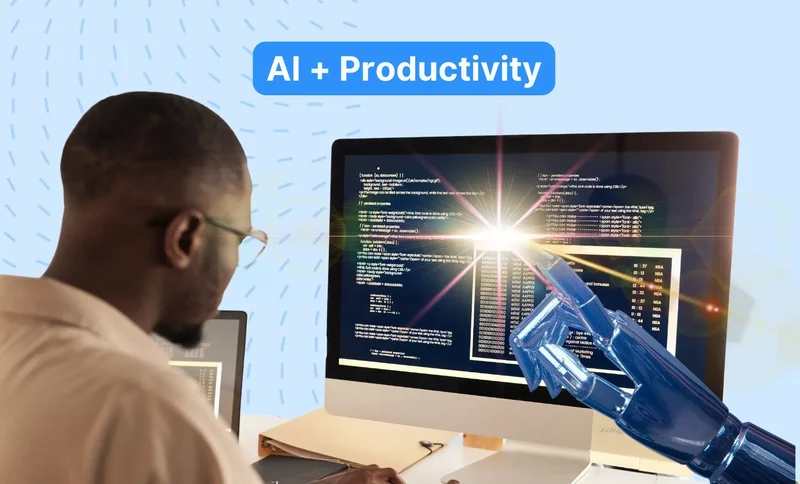
Cursor accelerates the backend development process by helping developers write logic, integrate APIs, and manage server-side functionality using AI assistance. It can generate functions, refactor code, and even explain complex sections of a project, making development smoother and faster.
Together, they create a streamlined development pipeline where the UI and backend logic can be built simultaneously with far less manual effort.
The Rise of AI-Assisted Development
AI coding assistants are becoming an essential part of modern software development. Tools like Cursor represent a new generation of intelligent development environments that understand code context, improve productivity, and help developers solve problems faster.

Similarly, AI-powered UI builders such as Lovable.ai are transforming how interfaces are created by eliminating many of the repetitive design tasks developers typically face.
These tools allow developers to:
• Build prototypes rapidly
• Reduce development time significantly
• Focus on product functionality rather than repetitive setup tasks
• Experiment with new ideas without heavy technical overhead
For startups, product teams, and independent developers, this means faster innovation cycles and quicker product launches.
The Future of AI Development Workflows
As AI tools continue to improve, the software development process will become increasingly collaborative between humans and intelligent systems. Developers will spend less time writing repetitive code and more time designing meaningful solutions and building innovative applications.
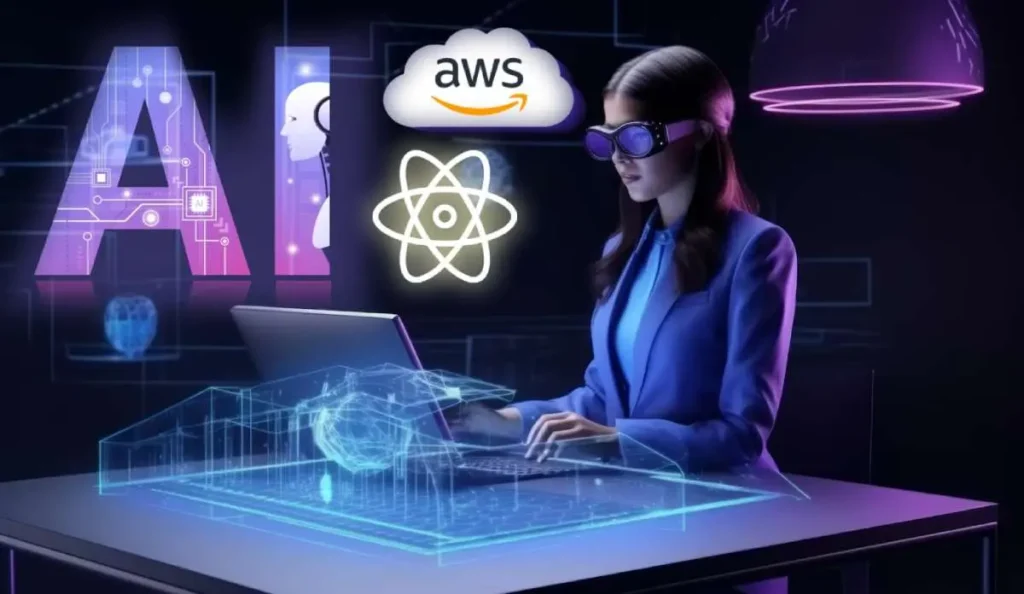
Workflows that combine specialized AI tools — like frontend generators and AI coding assistants — will likely become the new standard for rapid product development.
For businesses looking to build modern AI-powered products, adopting these technologies early can provide a significant competitive advantage.
Final Thoughts
The combination of Lovable.ai and Cursor highlights how powerful AI-assisted development has become. By simplifying both the frontend and backend development process, this workflow allows developers to build complete AI applications faster, smarter, and more efficiently.
At Incognitai Solutions, we believe that the future of software development lies in leveraging intelligent tools that amplify human creativity and productivity. As AI development ecosystems continue to expand, developers who embrace these technologies will be able to turn ideas into working products faster than ever before.
Future-Proof Your Business with Incognitai
Stay ahead in today’s digital-first world with next-gen IT solutions and smart digital marketing strategies from Incognitai.
Unlock your brand’s potential with technology that drives growth, streamlines efficiency, and powers innovation for the future.
📧 Email: admin@incognitai.com
📞 Call: +91 99522 89956
Let’s engineer your IT success, today.

Advanced Asynchronous Processing with Dead Letter Queues.
Feb 25th, 2026
Building Reliable, Scalable Systems That Never Lose Data
In modern cloud architectures, asynchronous processing is the backbone of scalability. From payments and notifications to data pipelines and background jobs, async workflows help systems stay fast, resilient, and cost-efficient.

But asynchronous systems come with a hidden risk:
Failures can happen silently.
When a message fails and disappears without visibility, businesses don’t just lose data—they lose trust.
This is where Dead Letter Queues (DLQs) become essential.
At Incognitai Solutions, we design architectures where no message is ever lost without a trace. Let’s explore how async processing with DLQs helps you achieve true reliability at scale.
The Hidden Problem with Async Systems
A typical asynchronous flow looks simple:
- A service sends a message to a queue
- A worker consumes and processes it
- The task completes

But what happens when processing fails?
- Temporary network issues
- Downstream API outages
- Invalid payloads
- Timeouts or throttling
Without proper handling:
- Messages may be retried endlessly
- Or worse—discarded silently
For customer-facing systems like payments, orders, or user data, this is unacceptable.
What Is a Dead Letter Queue (DLQ)?
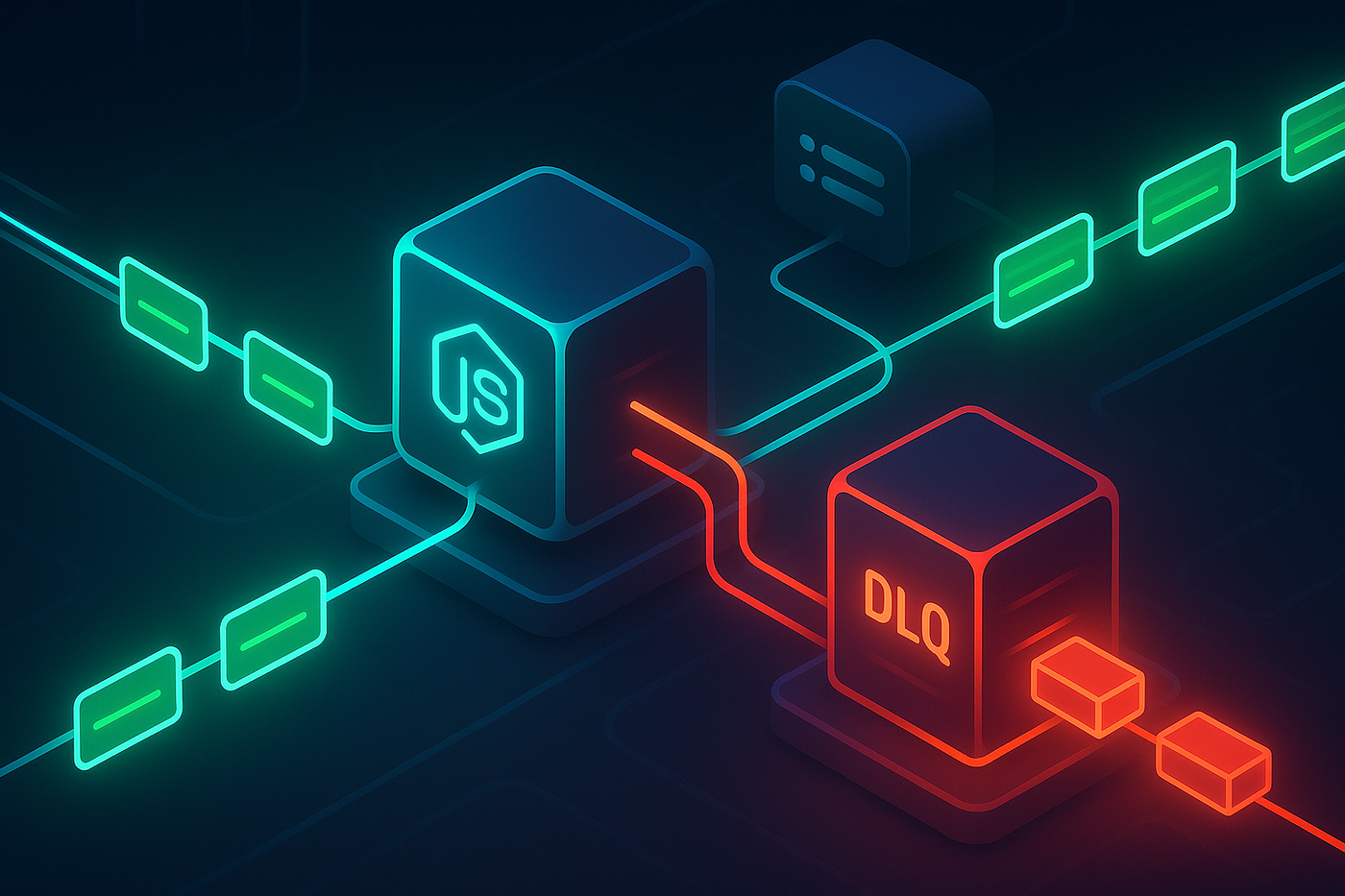
A Dead Letter Queue is a secondary queue that stores messages which could not be processed successfully after a defined number of retries.

Instead of losing failed messages, your system isolates them safely, allowing teams to:
- Investigate failures
- Fix root causes
- Replay messages when ready
AWS natively supports this pattern using Amazon Simple Queue Service (SQS).
How the Architecture Works?

Step-by-step flow:
- Main Queue receives a message
- Worker service attempts processing
- If processing fails, the message is retried (e.g., 3–5 times)
- After exceeding the retry limit, the message is moved to the DLQ
- Monitoring alerts are triggered
- Engineers review, fix, and reprocess the message
This ensures:
- No silent failures
- No lost data
- Full visibility into system health
Setting Up DLQs the Right Way (AWS Best Practices)

A robust DLQ setup includes:
1. Main Queue + DLQ (SQS)
- Configure a Redrive Policy
- Define
maxReceiveCount(commonly 3–5 retries)
2. Monitoring & Alerts
Use Amazon CloudWatch to:
- Track DLQ message count
- Trigger alarms when DLQ > 0
3. Logging & Tracing
- Log failure reasons
- Correlate message IDs
- Integrate with distributed tracing tools
4. Secure Access
- IAM policies for least privilege
- Encrypted queues (SSE-SQS or KMS)
Cost Reality: Reliability Is Cheap

One of the biggest myths is that reliability costs more.
Actual AWS costs (approximate):
- SQS Main Queue: ~$0.40 per million requests
- SQS DLQ: ~$0.40 per million requests
- CloudWatch alarms: minimal
Total monthly cost for most systems: under $1
For preventing data loss, customer impact, and operational chaos, this is negligible.
Why Dead Letter Queues Truly Matter
DLQs don’t just handle failures—they teach you about your system.
Key Benefits:
- Failures are visible, not hidden
- No data is lost, ever
- Retry safely, without duplication
- Identify patterns (bad payloads, flaky APIs)
- Improve system design over time
With DLQs, failure becomes actionable, not dangerous.
Real-World Example: Payment Processing
Consider an online payment system:
- Payment event sent to queue
- Worker processes 99% successfully
- 1% fails due to:
- Bank API timeout
- Network issue
- Validation error
- Message retries 3 times
- Moves to DLQ
- Alert triggered: “5 payment events failed”
- Team investigates
- Payments are retried or refunded
Result:
No lost transactions. No angry customers. No blind spots.
Modern Enhancements (2025 Perspective)
Today’s AWS architectures often extend DLQs with:
- Lambda-based replay mechanisms
- Automated DLQ processors for known errors
- Event-driven alerts via SNS or Slack
- Dashboards showing failure trends
At Incognitai Solutions, we design DLQs not as “error bins,” but as feedback loops for system improvement.
The Golden Rules of Async Reliability
✔ Every queue must have a DLQ
✔ Every async workflow must be monitored
✔ Every failure must be visible
✔ Silence is the real enemy
Reliable systems don’t avoid failure.
They design for it.
How Incognitai Solutions Helps
We help teams:
- Design production-grade async architectures
- Implement DLQs, retries, and monitoring correctly
- Reduce operational risk
- Scale without fear of silent data loss
If your system processes critical data asynchronously, DLQs are not optional—they’re essential.
Future-Proof Your Business with Incognitai
Stay ahead in today’s digital-first world with next-gen IT solutions and smart digital marketing strategies from Incognitai.
Unlock your brand’s potential with technology that drives growth, streamlines efficiency, and powers innovation for the future.
📧 Email: admin@incognitai.com
📞 Call: +91 99522 89956
Let’s engineer your IT success, today.

From Zero to Profitable in 6 Months: A Practical, Capital-Efficient Startup Journey
Feb 09th, 2026
Most startup stories are either overnight success myths or long tales of struggle with unclear lessons. What rarely gets shared is a clean, step-by-step path from zero to profitability—without burning cash, chasing vanity metrics, or overbuilding.

This is one such journey. Six months. No hype. Just execution.
Month 1: Validation Before Creation
The journey began with no code, no spend, and no assumptions. Instead of rushing into development, the focus was on understanding the problem deeply.

Ideas were brainstormed, real users were interviewed, and a simple landing page was used to test interest. The goal wasn’t perfection—it was proof. By the end of the month, early demand was clear through organic sign-ups.
Key takeaway: Validation doesn’t require money. It requires curiosity and honest conversations.
Month 2: Building the MVP, Not the Dream
With confidence in the idea, the next step was to build a minimum viable product, not a feature-heavy platform. The stack was intentionally lean, relying on modern tools with free tiers and low initial costs.
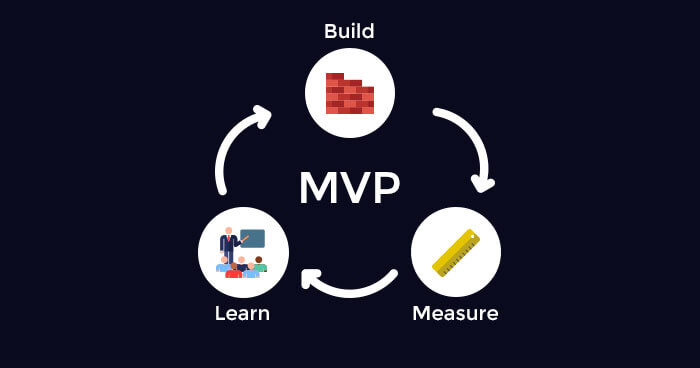
The product went live quickly, solving one core problem well. No marketing yet. No pressure to monetize. Just making sure the product actually worked.
Key takeaway: Speed beats perfection. A live product teaches more than months of planning.
Month 3: Launch and First Revenue
Instead of waiting for the “right time,” the product was launched early. Feedback was immediate. So was revenue.

A handful of users converted into paying customers, validating that the problem was real and worth paying for. The business crossed its first major milestone: profitability on a small scale.
Key takeaway: Revenue is the strongest form of validation.
Month 4: Controlled Growth
Growth didn’t mean reckless spending. It meant measured investment—small ad experiments, better content, and incremental product improvements.

User numbers increased, churn stayed low, and monthly recurring revenue doubled. Infrastructure remained simple and cost-efficient.
Key takeaway: Growth should follow demand, not ego.
Month 5: Scaling What Works
By now, patterns were clear. The product resonated. The audience was defined. This phase focused on doubling down on proven channels and improving user experience.

Instead of adding random features, only those that directly impacted retention and conversions were prioritized.
Key takeaway: Scaling is about refinement, not expansion.
Month 6: Building for Sustainability
With consistent revenue and a growing user base, the business shifted toward sustainability. Support systems were added, infrastructure was upgraded, and content became a long-term acquisition engine.

The result wasn’t just higher revenue—but stability, clarity, and predictability.
Key takeaway: A profitable business is built to last, not just to launch.
The Bigger Lesson
In six months, the business moved from zero to a strong monthly run rate—not by raising capital, but by staying capital-efficient.
The math tells the story, but the mindset explains it:
- Validate before you build
- Build only what users need
- Charge early
- Grow intentionally
- Scale sustainably
Profitability isn’t luck. It’s a series of disciplined decisions made consistently.
Future-Proof Your Business with Incognitai
Stay ahead in today’s digital-first world with next-gen IT solutions and smart digital marketing strategies from Incognitai.
Unlock your brand’s potential with technology that drives growth, streamlines efficiency, and powers innovation for the future.
📧 Email: admin@incognitai.com
📞 Call: +91 99522 89956
Let’s engineer your IT success, today.

Revolutionizing the Digital World: How AI Agents Are Taking Over APIs in 2026
Jan 27th, 2026
The world of technology is witnessing a shift as dramatic as the move from desktop computers to mobile devices: AI agents are no longer assistants — they are autonomous digital actors reshaping how software communicates, operates, and grows. In 2026, these intelligent agents are turning APIs from simple connectors into the backbone of a new agentic economy, where machines not only respond but execute, manage, optimize, and innovate on our behalf.

The Rise of Autonomous AI Agents
In the first years of the AI boom, most users experienced artificial intelligence as chatbots or recommendation engines. Today, AI agents have evolved far beyond these conversational assistants. Modern AI agents are goal-driven autonomous systems capable of planning, executing tasks, interacting with external services, and coordinating with other agents without ongoing human input. They don’t just answer queries — they make decisions, take actions, and keep learning from every interaction.

This evolution changes the very nature of software behavior: AI is no longer a passive tool but an active participant in digital workflows. The trend has reached such scale that enterprises are implementing multi-agent ecosystems where agents act as digital teammates, working collaboratively to accomplish complex missions across systems.
APIs — The Critical Bridge Between AI Intellect and Real-World Action
APIs — Application Programming Interfaces — have long been the glue that connects software systems. But with the rise of autonomous AI agents, APIs are evolving from static conduits of data into dynamic action gateways. These intelligent agents depend on APIs to:
- Access data in real time
- Invoke services or tools
- Trigger automated workflows
- Interact with cloud platforms and enterprise systems
Without APIs, AI agents cannot execute real-world tasks. They need reliable, standardized, and secure interfaces to reach beyond their own models into the vast landscape of digital services — from booking travel itineraries to managing enterprise operations.
Because of this deep integration, industry experts now say that the real digital frontier in 2026 isn’t just better APIs — it’s APIs designed for AI-native interaction. This means protocols that allow AI agents to discover, interpret, and act on external systems with precision and autonomy.
Why AI Agents Are Trending Now?
Several technological breakthroughs are converging to make autonomous AI agents successful:

1. Powerful Foundation Models
Advanced language models like GPT-4 and beyond have improved reasoning and decision-making capabilities that empower agents to act like digital professionals rather than scripted bots.
2. Integration and Tooling
Frameworks and architectures now allow agents to connect with APIs, databases, and services instantly, turning simple prompts into structured task execution.
3. Multi-agent Collaboration
Agents today don’t work alone. They form cooperative networks with clear roles — such as data retrieval, analytic processing, and execution orchestration — working together seamlessly across systems.
4. Memory and Context Awareness
Modern AI agents can remember past interactions and maintain context over long workflows, enabling greater coherence and continuity in tasks that span hours or days.
These capabilities together are transforming AI from reactive responders into proactive digital workforce multipliers — systems that don’t just assist but deliver results.
Real-World Impact: AI Agents in Action
Enterprise Integration
Companies are embedding AI agents into core business software, where they perform tasks that were once manual and repetitive. For example, agents now manage IT operations, customer support steps, and data synchronization across platforms — all by interacting with APIs that serve as gateways to these systems.
Partnerships between tech giants and enterprise platforms are accelerating this trend, with AI agents becoming commonplace collaborators in business workflows.
Automation and Productivity
In industries like logistics, marketing, and finance, companies are relying on autonomous agents to optimize processes:
- Booking travel and managing supply chain tasks
- Automating customer responses and helpdesk ticketing
- Executing financial tasks with monitored guardrails
Here, APIs act as bridges, enabling agents to think, decide, and act — all autonomously.
Agentic Commerce
The retail world is preparing for “agentic commerce,” where AI agents will shop, compare prices, evaluate inventory, and even complete purchases on behalf of users — ultimately reshaping online commerce at scale.
Challenges and the Road Ahead
With this shift come new complexities.

Security and Oversight
AI agents can make mistakes or behave unpredictably. Increasing API usage by autonomous agents means a wider attack surface for systems and sensitive data. Companies now face the dual task of harnessing AI power while ensuring robust governance and safety.
Infrastructure Evolution
Many existing API ecosystems were designed for human interaction — not machine-driven workflows. Organizations now need agent-native API architectures built for scalability, monitoring, and resilience.
Human-Agent Collaboration
The role of humans in the AI era is evolving. Instead of performing every task manually, today’s knowledge workers are becoming AI supervisors, guiding agent workflows, validating outputs, and setting strategic goals.
Final Thoughts: The Future Is Autonomous — But Human-Guided
In 2026, we are witnessing not just another tech trend — but a foundational shift in how digital systems operate. AI agents are transforming APIs from passive connectors into living systems that empower autonomy, execution, and innovation. While challenges such as security and governance remain, the pace at which AI agents integrate with APIs signals that we are entering a new age of software intelligence.

This era — where AI agents execute real-world tasks, learn from outcomes, and collaborate across systems — is not a distant dream. It’s already here — and it’s shaping the future of digital interaction, creativity, and business at every level.
Future-Proof Your Business with Incognitai
Stay ahead in today’s digital-first world with next-gen IT solutions and smart digital marketing strategies from Incognitai.
Unlock your brand’s potential with technology that drives growth, streamlines efficiency, and powers innovation for the future.
📧 Email: admin@incognitai.com
📞 Call: +91 99522 89956
Let’s engineer your IT success, today.

The AI Shift: How Automation, Security, and Creativity Are Being Redefined Together
Jan 08th, 2026
Introduction: AI Is No Longer a Tool — It’s an Operating Layer
Artificial Intelligence is no longer confined to experiments, prototypes, or productivity hacks. It has quietly become an operating layer across industries, influencing how systems are built, secured, and designed.
What makes this shift unique is not just speed, but convergence.

Automation is changing how DevOps teams deploy software.
Security teams are racing to defend against AI-driven threats.
Creative professionals are redefining their value in an era of generative tools.
These changes are not happening in isolation. They are connected.
This blog explores how AI is simultaneously transforming DevOps automation, cybersecurity defense, and creative workflows, and what this convergence means for professionals and organizations moving forward.
AI-Powered Automation: The New DevOps Reality
DevOps has always been about speed, reliability, and collaboration. AI has now pushed it into a new phase—self-optimizing systems.

Modern DevOps teams no longer rely solely on predefined pipelines. AI-driven automation now assists in:
- Predicting deployment failures before they happen
- Automatically scaling infrastructure based on usage patterns
- Detecting performance anomalies in real time
- Generating CI/CD pipelines from minimal configuration
Instead of reacting to incidents, teams are increasingly preventing them by design.
Developers act less like operators and more like system architects, overseeing AI agents that manage repetitive and high-risk tasks. This shift reduces burnout, shortens release cycles, and improves system resilience at scale.
Automation is no longer about doing things faster—it’s about doing the right things automatically.
Cybersecurity in the Age of Intelligent Threats
As AI strengthens development workflows, it also raises the stakes in cybersecurity.

Attackers are now using AI to:
- Generate realistic phishing messages at scale
- Create deepfake audio and video for social engineering
- Identify vulnerabilities faster than traditional scanners
- Automate reconnaissance and attack planning
This has forced a fundamental shift in defense strategies.
Security teams are moving away from static rules toward AI-assisted threat detection. Modern systems focus on behavior, context, and intent rather than predefined signatures.
Key changes include:
- Continuous authentication instead of one-time verification
- AI-based anomaly detection across users and systems
- Real-time risk scoring instead of binary access control
The goal is no longer to build impenetrable systems—but to detect, adapt, and respond faster than attackers can evolve.
Security has become a shared responsibility across engineering, DevOps, and product teams, deeply embedded into the development lifecycle.
AI and Creativity: Redefining, Not Replacing Designers
One of the most debated questions today is whether AI can replace creative professionals—especially graphic designers.

The reality is more nuanced.
AI excels at:
- Generating layout variations
- Producing quick concept drafts
- Adapting designs across formats
- Automating repetitive creative tasks
But creativity is more than output.
Human designers bring:
- Contextual understanding
- Emotional intelligence
- Cultural sensitivity
- Strategic storytelling
In modern workflows, AI acts as a creative accelerator, not a replacement. Designers who embrace AI tools spend less time on execution and more time on concept, narrative, and decision-making.
The role is shifting from “designer” to creative director of intelligent systems.
Those who adapt gain leverage. Those who resist risk stagnation.
Where These Worlds Collide
What’s most important is not how each field is changing—but how they are converging.

- DevOps automation relies on secure AI pipelines
- Security depends on intelligent system design
- Creative tools are embedded directly into products
- AI-generated interfaces require thoughtful UX and trust
A single AI-powered product today may involve:
- Automated deployment systems
- Real-time security analysis
- Generative UI components
- Human oversight at every critical decision point
This convergence demands cross-disciplinary thinking.
Professionals can no longer operate in silos. Developers must understand security implications. Designers must understand systems. Security teams must understand product behavior.
What This Means for Students and Professionals
The most valuable skills today are no longer tool-specific.
What matters more is:
- Systems thinking
- Adaptability
- Critical evaluation of AI output
- Ethical and security awareness
AI rewards those who can ask better questions, guide intelligent tools, and take responsibility for outcomes.
The future does not belong to those who compete with AI—but to those who collaborate with it intelligently.
Conclusion: The Shift Is Permanent
AI is not a passing trend.

It is reshaping how software is built, how systems are protected, and how creativity is expressed. Automation, security, and design are no longer separate disciplines—they are part of a single, evolving ecosystem.
Organizations and individuals who recognize this convergence early will not just keep up—they will lead.
The question is no longer “Will AI change my field?”
It already has. The real question is:
How will you evolve with it?
Future-Proof Your Business with Incognitai
Stay ahead in today’s digital-first world with next-gen IT solutions and smart digital marketing strategies from Incognitai.
Unlock your brand’s potential with technology that drives growth, streamlines efficiency, and powers innovation for the future.
📧 Email: admin@incognitai.com
📞 Call: +91 99522 89956
Let’s engineer your IT success, today.