Data Analytics in Healthcare: Predicting Disease Outbreaks with AI
Jul 05th, 2025
In an era where a virus can circle the globe in days, the ability to predict and prevent disease outbreaks is no longer a luxury—it’s a necessity. Artificial Intelligence (AI) has rapidly emerged as a game-changer in the world of healthcare analytics, offering unprecedented power to foresee health threats before they erupt. From detecting flu trends in a remote town to identifying early signals of a new pandemic, AI is quietly rewriting the rules of global health defense.

The Age of Proactive Healthcare

Traditionally, healthcare systems have been reactive—treating diseases after they emerge. But with AI-powered predictive modeling, we are witnessing a shift towards a proactive model. Instead of responding to outbreaks, we are beginning to anticipate them, allowing governments, hospitals, and even individuals to act in advance.
Predictive algorithms analyze vast datasets from a variety of sources: hospital records, public health databases, weather conditions, social media chatter, and even Google search trends. By spotting unusual spikes in symptoms or disease-related queries, AI can flag a potential outbreak before it becomes a headline.

Take the example of BlueDot, a Canadian health tech startup that flagged the outbreak of COVID-19 in Wuhan days before the World Health Organization made its official statement. Their AI scanned global airline ticketing data, news reports in multiple languages, and animal disease outbreaks to issue that early warning. This wasn’t science fiction—it was predictive analytics in action.
How AI Makes the Invisible, Visible
One of the key strengths of AI in healthcare is its ability to detect patterns invisible to the human eye. Diseases rarely appear suddenly; they often leave behind small signals—slight changes in symptoms reported, subtle shifts in regional health metrics, or small upticks in medicine sales.

By training machine learning models on historical data of known outbreaks, we can create robust systems that “learn” what early warning signs to watch for. For instance:
- Influenza Surveillance: AI can analyze pharmacy purchase data and emergency room visits to detect flu seasons weeks in advance.
- Vector-Borne Disease Predictions: By combining satellite imagery, rainfall patterns, and mosquito population data, models can predict dengue or malaria hotspots.
- Urban Health Monitoring: In cities, wearable devices and smart health sensors feed real-time data to models that flag abnormalities in heart rate, temperature, or respiratory function—critical during respiratory epidemics.
Challenges in the Data-Driven Revolution
Despite its promise, the journey isn’t without roadblocks. Privacy concerns remain a major hurdle—health data is sensitive and heavily regulated. Moreover, AI models are only as good as the data they are trained on. Biases in healthcare data, underrepresentation of rural or low-income populations, and noisy datasets can result in skewed predictions.

Additionally, predictive systems must be paired with strong response frameworks. Knowing about an outbreak ahead of time is useless if public health agencies don’t have the tools or resources to act quickly.
The Future: AI + Human Intelligence
The ultimate goal isn’t to replace epidemiologists or public health experts, but to empower them. AI excels at processing billions of data points in seconds—but it lacks context and human intuition. A hybrid model where machines alert and humans interpret is the most powerful approach.

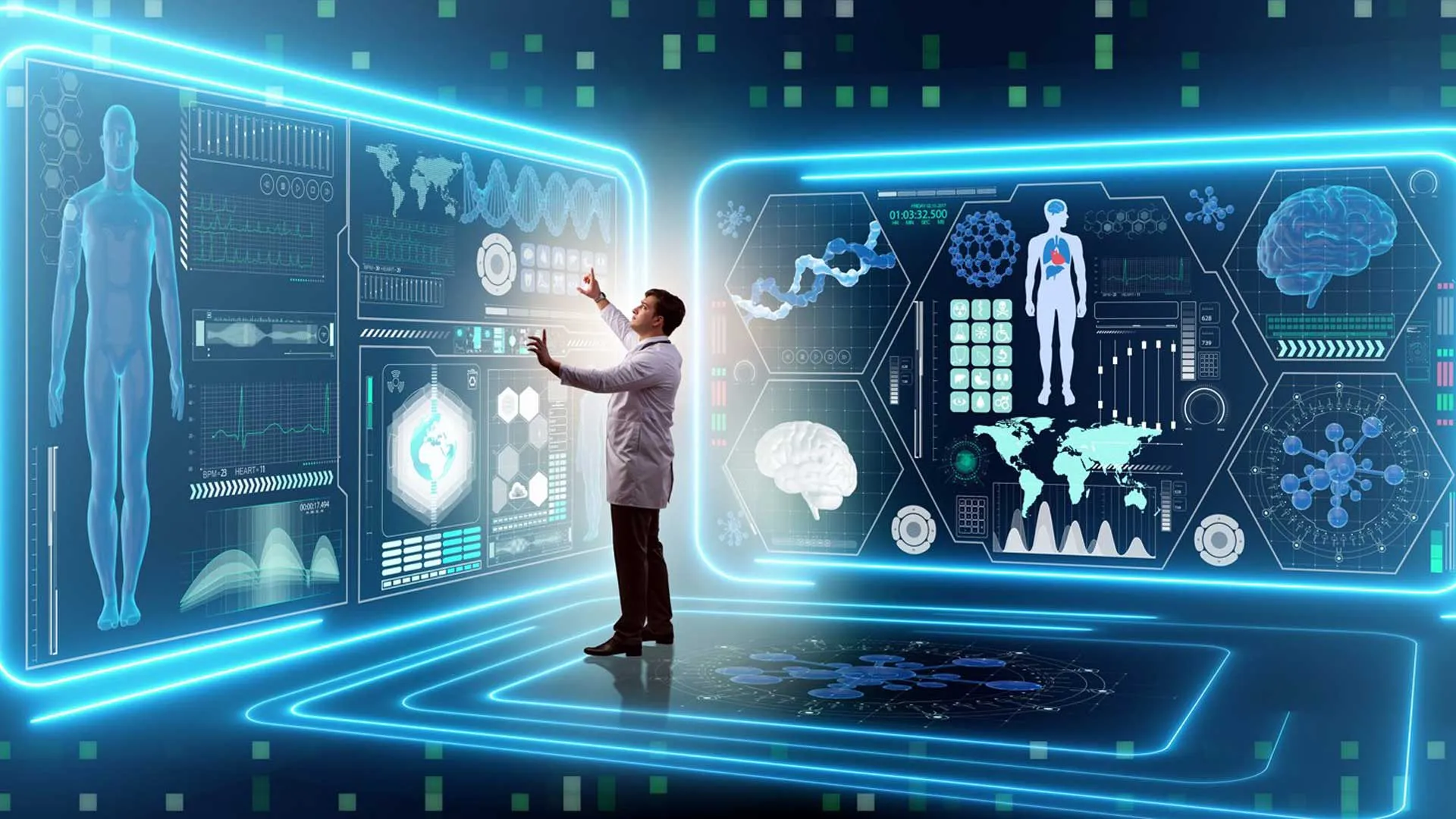
Healthcare systems worldwide are slowly beginning to integrate AI tools into their outbreak management strategies. From smart dashboards that visualize disease trajectories to mobile apps that track symptoms and exposure risk in real-time, the AI-healthcare fusion is no longer confined to labs or pilot programs—it’s happening now.
Conclusion: Predicting to Prevent
As AI in healthcare matures, we stand at the brink of a global transformation. The ability to predict disease outbreaks before they spiral out of control could redefine the future of public health. From mitigating pandemics to safeguarding underserved regions, predictive analytics is quietly saving lives—often before we even realize we’re at risk.

AI is not just about data. It’s about decisions. It’s not just about prediction—it’s about prevention. And in that lies its greatest promise for the future of global health.
Future-Proof Your Business with Incognitai:
Stay ahead in today’s digital-first world with next-gen IT solutions and smart digital marketing strategies from Incognitai.
Unlock your brand’s potential with technology that drives growth, streamlines efficiency, and powers innovation for the future.
📧 Email: admin@incognitai.com
📞 Call: +91 99522 89956
Let’s engineer your IT success, today.