Quantum Computing for Beginners: How It Will Revolutionize Data Analytics
Sep 06th, 2025
Understanding Quantum Computing Basics
Quantum computing is more than just an upgrade of today’s computers—it’s a complete reimagining of how we process information. Traditional computers operate using bits, which can only be a 0 or a 1. Quantum computers, however, use qubits, which can exist in multiple states at once due to a principle called superposition. Add to that entanglement—where qubits influence each other no matter how far apart they are—and suddenly, computations that would take classical systems centuries could be completed in minutes.
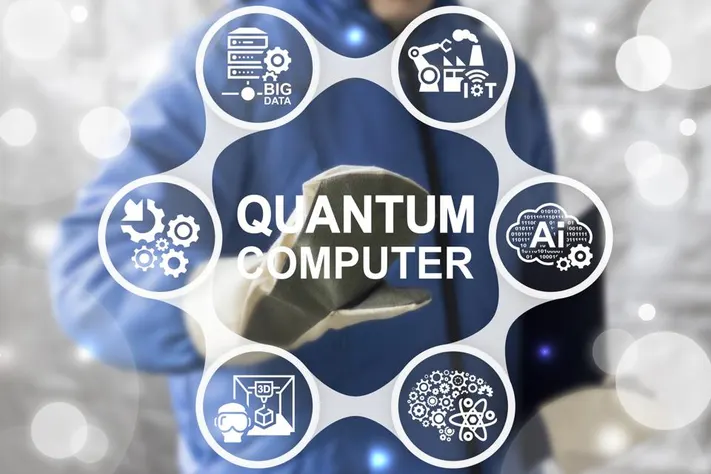
This is why industries across the globe are closely watching quantum breakthroughs. From finance to medicine, quantum computing basics are becoming essential knowledge, as the technology promises to transform the way data is handled and decisions are made.
Quantum vs Classical Computing: The Big Shift
To grasp quantum’s power, it helps to compare it with classical computing. Classical systems are reliable, precise, and optimized for everyday tasks—but they struggle with problems that involve enormous datasets or complex patterns. Memory and processing power in classical machines increase only linearly with data growth.
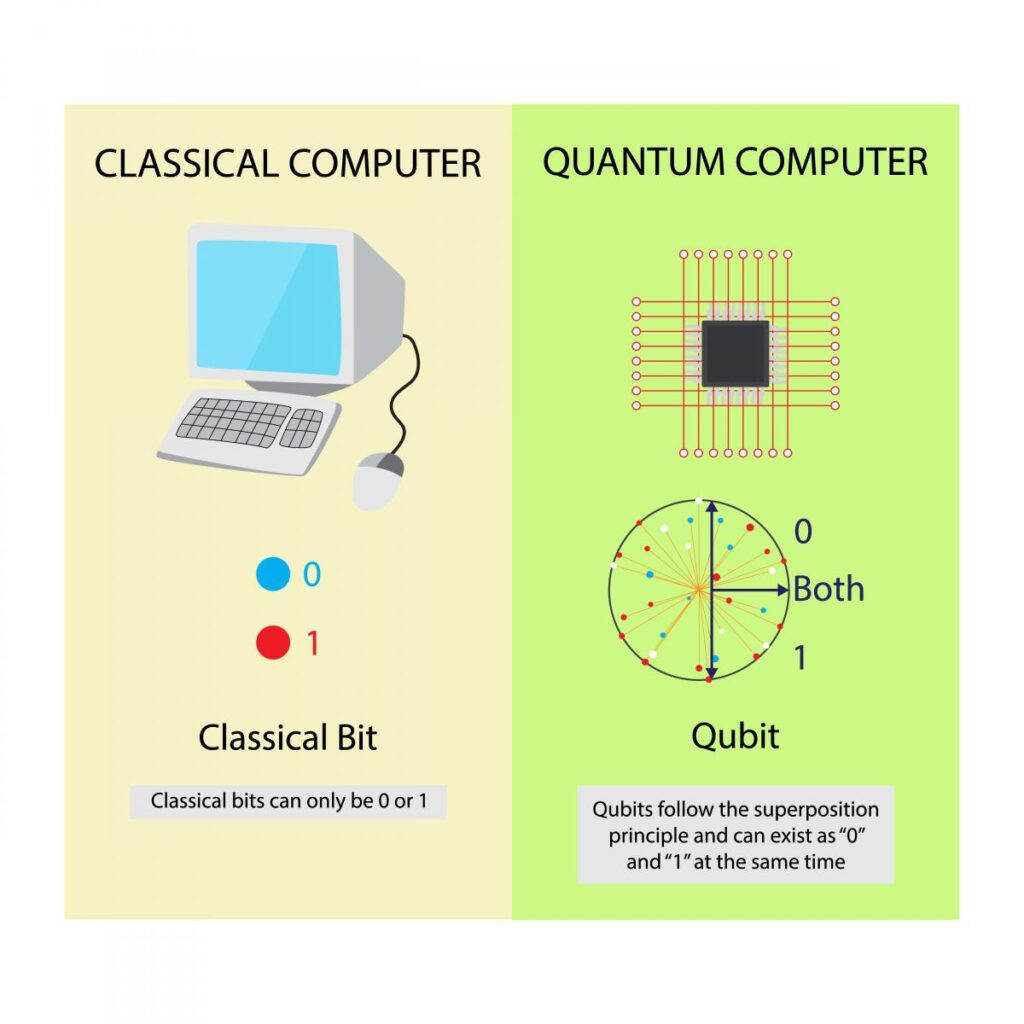
Quantum systems, in contrast, scale exponentially. A small number of qubits can represent vast amounts of information, making them ideal for optimization, machine learning, and simulations that are beyond the reach of even the most advanced supercomputers. Of course, quantum hardware today is still in its noisy, experimental stage, facing challenges like error rates and fragile qubits. But progress is happening fast, and the promise of a quantum advantage—where quantum systems outperform classical ones—is drawing closer every year.
Global Data Trends Driving Quantum Adoption
Why is quantum computing creating such excitement? Because the world is drowning in data. Every day, billions of devices generate streams of information that businesses, governments, and researchers need to process. The scale of this data is simply too massive for classical computing to handle efficiently.
This is where quantum technology steps in. Countries are investing heavily to secure leadership in this field, while major corporations are pouring billions into research and development. Global market forecasts suggest quantum technologies will grow from a niche sector today to a multibillion-dollar industry in the next decade, transforming data-driven decision-making on a global scale.
Why Quantum Computing Matters for Data Analytics
For data analytics, quantum computing could be nothing short of revolutionary. Some of its most exciting applications include:
- Faster Pattern Recognition: Quantum algorithms can analyze complex, unstructured datasets much faster than traditional systems, enabling businesses to detect hidden trends or risks.
- Optimization at Scale: From logistics routes to investment strategies, quantum systems can evaluate countless possibilities in parallel, identifying optimal solutions far more efficiently.
- Predictive Modeling: Quantum machine learning models can train on massive datasets, reducing the time and energy required while increasing prediction accuracy.
- Advanced Simulations: In fields like healthcare, quantum computers can simulate molecular interactions at a depth impossible for classical systems, opening the door to faster drug discovery and material innovations.
- Data Security: With rising concerns about cyber threats, quantum technology also introduces quantum-safe communication methods that can protect sensitive information from future attacks.
Practical Access: Quantum-as-a-Service (QaaS)
One of the most exciting developments is that you don’t need your own quantum hardware to get started. Through Quantum-as-a-Service platforms, researchers, developers, and businesses can access quantum processors via the cloud. This democratization of technology means data professionals can begin experimenting with quantum algorithms today—building skills and insights that will be invaluable as the field matures.

Looking Ahead: The Road to Quantum Advantage
We are still in the early stages of the quantum journey, but progress is accelerating. Hardware stability is improving, error correction is advancing, and hybrid systems that combine classical and quantum computing are making the technology more practical for real-world tasks. Experts predict that within the next five to ten years, quantum computing will move from research labs into mainstream data analytics applications.
Why Incognitai Institute Is Preparing Now
For learners and professionals, understanding quantum computing basics is no longer optional—it’s becoming essential. At Incognitai Institute, integrating quantum concepts into analytics education will prepare students to work at the cutting edge of technology. By exploring both quantum vs classical computing approaches, engaging with hands-on projects, and leveraging global data trends, the institute can equip future analysts to thrive in a world where data and quantum insights go hand in hand.
Conclusion
Quantum computing is not just a buzzword—it is the next great leap in technology, with the power to reshape how we analyze and secure data. For beginners, learning these concepts now ensures they won’t just adapt to the future of data analytics—they will lead it.
Future-Proof Your Business with Incognitai
Stay ahead in the digital-first world with next-gen IT solutions and smart digital marketing strategies from Incognitai.
Empower your brand with technology that drives growth, efficiency, and future-ready innovation.
📧 Email: admin@incognitai.com
📞 Call: +91 99522 89956
Let’s engineer your IT future, today.