
Voice Search Optimization: Preparing Your Website for 2025’s Voice-First Era
Oct 24th, 2025
We used to type to be precise. Now we speak to be understood. Voice search has quietly moved from novelty to habit: smart speakers, phone assistants, in-car systems and voice in apps are all reshaping how people ask questions, find local businesses and make purchases. As of 2025 roughly one in five people worldwide regularly use voice search and the number of active voice assistants now towers into the billions — a signal that “voice” is no longer experimental, it’s mainstream infrastructure.

But adoption isn’t uniform. Use patterns vary by device, country and generation — and that disparity is an opportunity. Gen Z and younger Millennials are driving natural-language interactions (and will expect seamless voice experiences), while smart speaker ownership and voice shopping behaviour remain especially strong in certain markets. Understanding those differences helps you tailor the right voice strategy for your audience.
Why this matters for websites: voice queries are longer, conversational, and often phrased as questions — not short keyword fragments. In practice that means your content must be ready to answer real-world questions in a natural voice, deliver immediate utility, and load fast on mobile devices. The businesses that adapt will win the “spoken” moment of user intent.
The Practical Playbook: How to Optimize for Voice in 2025
Here’s a practical, high-impact plan you can implement this week and scale over time.
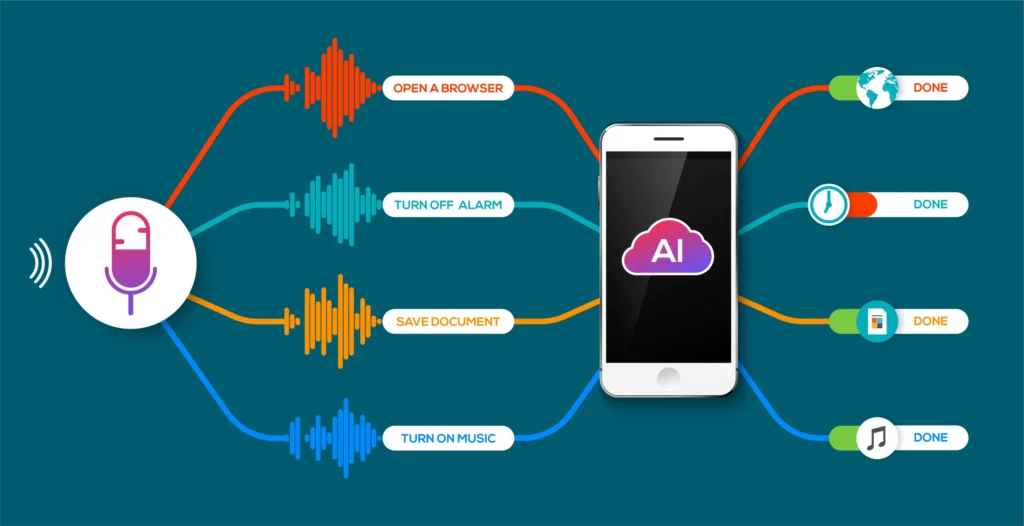
1) Think conversational, not terse
People ask full questions when they speak: “What’s the best budget CRM for small e-commerce stores?” or “Which cafes open early near Marina Beach?” Build content that answers those questions directly. Use natural, long-tail phrases and write Q&A style headings (Who/What/When/Where/Why/How). Pages that answer explicit questions clearly are most likely to be read aloud by assistants.
2) Prioritize featured/snippet-friendly structure
Voice assistants often read from SERP features: featured snippets, knowledge panels, or local packs. Make short, clear summary paragraphs (40–60 words) at the top of pages for common questions, then expand with detail below. Use numbered steps and bulleted lists for “how-to” instructions — these are easier for assistants to vocalise and for users to scan on mobile.
3) Schema, schema, schema
Structured data (FAQ, HowTo, Product, LocalBusiness, Speakable) helps search engines and voice platforms understand and extract precise answers. Implement relevant schema on question pages and local business listings to increase your chance of being the verbal answer someone hears. This is a technical lift with a big payoff.
4) Local + mobile first
Voice is wildly local: people ask for “near me” answers and then act (call, navigate, buy). Keep your Google Business Profile pristine (hours, menu, services, booking links), earn local citations, and make sure local pages load fast and speak plainly. On mobile, performance is the hidden ranking factor: faster pages rise in voice results.
5) Alexa & Assistant nuances (platform optimisation)
Each assistant has quirks. Alexa skills, Google Action integrations, and Siri shortcuts create branded voice touchpoints you can control. Alexa optimisation isn’t true SEO — it’s product design: build a helpful skill, make invocation names natural, and deliver utility in short voice-friendly interactions. Test your voice experiences across devices and keep the core information identical across platforms for brand consistency.
6) Measure what matters: queries, conversions, and voice funnels
Traditional pageviews are only part of the story. Track conversational queries, voice impression signals (SERP features), click-to-call and directions from local listings, and assisted conversions that started with voice. Build dashboards to see how voice contributes to leads and purchases and to identify friction points (e.g., unclear answers that cause follow-up queries).
Gen Z, Content Tone & Long-Term Voice Strategy
Gen Z behaviour: talk like a human, design like a product

Gen Z grew up in a multi-modal world — voice, short video, chat and search are blended for them. They expect speed and personality. Your voice content should be accurate and also reflect the tone your brand wants to convey: a helpful, concise answer with optional follow-up suggestions (“Would you like directions or open the menu?”). Create micro-conversations that anticipate follow-ups and offer an easy next step. Studies show younger cohorts are adopting voice quickly and will soon be a dominant voice audience — plan for that.
Content formats that win voice attention
- Q&A landing pages — each page answers one central question and related follow-ups.
- Conversational FAQ modules — short spoken answers and an “expand for details” web section.
- HowTo sequences — step-by-step instructions for tasks (recipes, setup guides, booking flows).
- Local quick cards — condensed pages for stores, services and events with structured opening times, contact and booking.
Voice commerce & discovery: be the trusted choice

Voice shopping is growing: people research with voice and then expect frictionless checkout. Ensure your product data is complete and that voice purchase paths (cart, payment intents, pickup options) are tested. Brand trust and clarity (pricing, returns) matter more when users can’t visually inspect options.
Futureproofing: AI, multi-modal voice and privacy
Voice tech is converging with generative AI and multimodal inputs (voice + image). Prepare by (a) making your content machine-readable via schema, (b) designing short, authoritative answers, and (c) respecting privacy — be clear about tracking and data use because voice interactions are intimate and regulations are tightening globally.
Final Checklist — Quick Wins for the Next 30 Days
- Audit your top converting pages for question-style queries; add short summary answers.
- Add FAQ/HowTo schema to 5 priority pages.
- Refresh your Google Business Profile with structured services and booking links.
- Build a one-minute Alexa skill or a Siri shortcut that answers a common customer question.
- Measure voice starts: track calls, directions, and voice query impressions in your analytics.
Voice search is not a single tactic — it’s a shift in how people expect answers. Treat voice like product design for information: clear, fast, and human. Do that, and your site won’t just survive the voice-first era — it will own the conversation.
Future-Proof Your Business with Incognitai
Stay ahead in today’s digital-first world with next-gen IT solutions and smart digital marketing strategies from Incognitai.
Unlock your brand’s potential with technology that drives growth, streamlines efficiency, and powers innovation for the future.
📧 Email: admin@incognitai.com
📞 Call: +91 99522 89956
Let’s engineer your IT success, today.